Understanding the psychology behind risk-taking in gambling decisions
The Nature of Risk-Taking in Gambling
Risk-taking is a fundamental aspect of gambling, deeply rooted in human psychology. When individuals engage in gambling, they are often driven by the thrill and excitement associated with the potential for financial gain. A good example of this can be found in a casino accepting neosurf, where players experience heightened excitement, which can overshadow rational decision-making, leading them to engage in behaviors they might typically avoid in more predictable circumstances. The anticipation of winning fosters an emotional response that heightens the stakes, making the gamble feel more alluring and significant.

Additionally, the concept of loss aversion plays a critical role in gambling decisions. Research shows that people tend to experience losses more intensely than gains of the same size. As a result, gamblers may continue to take risks to recover losses, a behavior termed the “gambler’s fallacy.” This phenomenon highlights how psychological factors, such as the desire to eliminate negative feelings, can lead to increasingly risky behavior. Understanding these underlying psychological principles is essential in recognizing how and why individuals take risks while gambling.
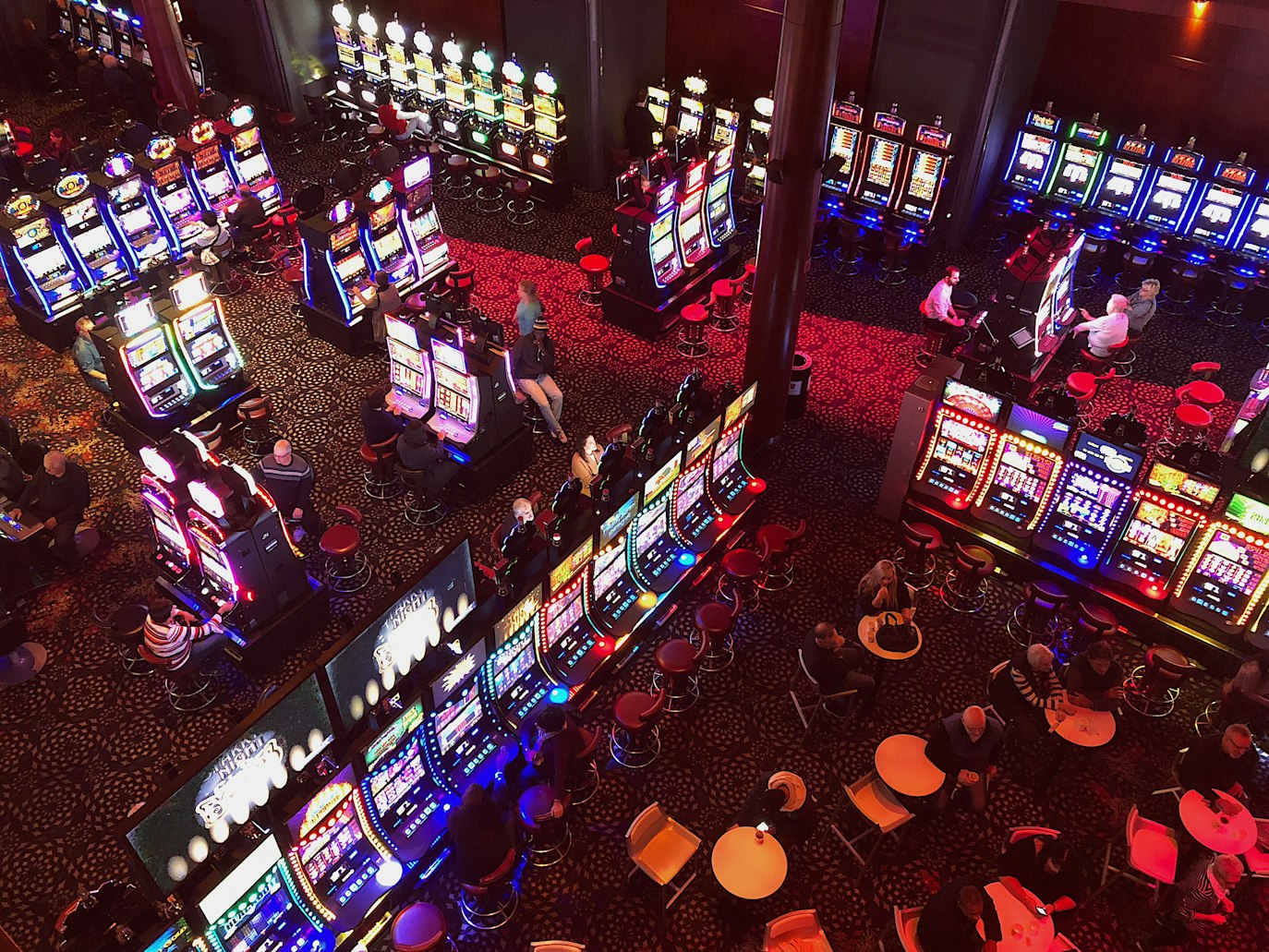
The environment in which gambling occurs also influences risk-taking behavior. The atmosphere of casinos, with their vibrant lights and sounds, creates a sensory overload that can enhance the thrill of gambling. This enticing environment can condition players to chase losses or increase their bets as they become more absorbed in the experience. Understanding the interplay between these psychological influences and the physical environment can provide deeper insights into why individuals often engage in high-risk gambling behaviors.
The Role of Cognitive Biases in Gambling
Cognitive biases are systematic patterns of deviation from norm or rationality in judgment, affecting decision-making processes. In gambling, several biases significantly influence how players perceive risks and rewards. For example, the illusion of control bias leads gamblers to believe they can influence the outcome of games of chance, such as slot machines or roulette. This belief can drive individuals to take risks they would typically avoid in other decision-making scenarios, amplifying their gambling behavior.
Another common cognitive bias in gambling is the availability heuristic. This refers to the tendency of people to overestimate the likelihood of events based on their recent experiences or information readily available to them. In the context of gambling, if someone recently hears about a big winner from a particular casino, they may overvalue their chances of winning there, prompting them to engage in riskier betting behaviors. Recognizing these cognitive biases is crucial for understanding the nuances of gambling behavior and its psychological underpinnings.
The concept of optimism bias also plays a significant role in how gamblers approach risk. Gamblers often believe they are more likely to win than their peers, which can encourage them to take on greater risks. This skewed perception can lead to a cycle of continuous gambling despite the odds being stacked against them. By exploring these cognitive biases, we can better comprehend the psychology behind risk-taking in gambling and how individuals rationalize their decisions in high-stakes situations.
The Impact of Emotion on Gambling Decisions
Emotions significantly influence gambling behavior, often driving individuals to make impulsive decisions that they might not normally consider. The thrill of winning can induce feelings of euphoria, while losing can trigger anxiety or frustration. These emotional responses can override rational thought processes, leading players to chase losses or make larger bets than they typically would. This emotional rollercoaster can create a dangerous cycle where individuals become trapped in a pattern of high-risk gambling.
The role of emotions extends beyond immediate wins and losses; it also encompasses how individuals reflect on their gambling experiences. Those who feel a strong emotional connection to their gambling may justify their decisions based on the excitement they feel, even when faced with negative outcomes. This emotional attachment can lead to a distorted perception of their gambling activities, making it challenging for them to recognize the harmful aspects of their behavior.
Moreover, social environments can amplify emotional influences in gambling. When individuals gamble in groups or during social gatherings, the collective energy can intensify feelings of excitement and competition. This social pressure can further encourage risk-taking, as individuals may feel compelled to match their peers’ bets or actions. Understanding the emotional dynamics at play in gambling can provide critical insight into why players often take risks that are not only financially significant but also psychologically damaging.
Strategies for Responsible Gambling
Given the complex interplay of psychological factors in gambling, developing strategies for responsible gaming is essential. Awareness of cognitive biases, emotional triggers, and the influence of the gambling environment can empower players to make more informed decisions. Players should actively educate themselves about the games they participate in, including the odds and probabilities involved. This knowledge can help mitigate the impulsive decision-making often driven by excitement and emotions.
Establishing personal limits is another critical aspect of responsible gambling. By setting boundaries regarding time and money spent on gambling activities, individuals can create a buffer against the psychological pressures that may lead to excessive risk-taking. This disciplined approach encourages players to enjoy gambling as a form of entertainment rather than a means of income, reducing the likelihood of falling into problematic behaviors.
Additionally, seeking support from resources dedicated to responsible gambling can be beneficial. Many organizations offer tools and programs designed to assist individuals struggling with gambling behaviors. Engaging with these resources can provide valuable strategies for managing risks and fostering healthier gambling habits. By prioritizing education and self-awareness, individuals can navigate the complexities of risk-taking in gambling more effectively.
Conclusion and Resources for Gamblers
Understanding the psychology behind risk-taking in gambling decisions offers valuable insights for both players and stakeholders in the industry. By examining the various factors that influence gambling behavior, including cognitive biases, emotional responses, and environmental triggers, we can better comprehend the motivations behind risky choices. This understanding is crucial for fostering responsible gambling practices and addressing problematic behaviors.
For those seeking a seamless gambling experience in a responsible manner, resources are available to help navigate the complexities of online gaming. Websites dedicated to providing information about safe gambling options, such as Neosurf casinos in Australia, offer tools and insights for making informed decisions. By prioritizing responsible gambling practices and utilizing available resources, individuals can enjoy the excitement of gaming while minimizing the risks associated with high-stakes betting.