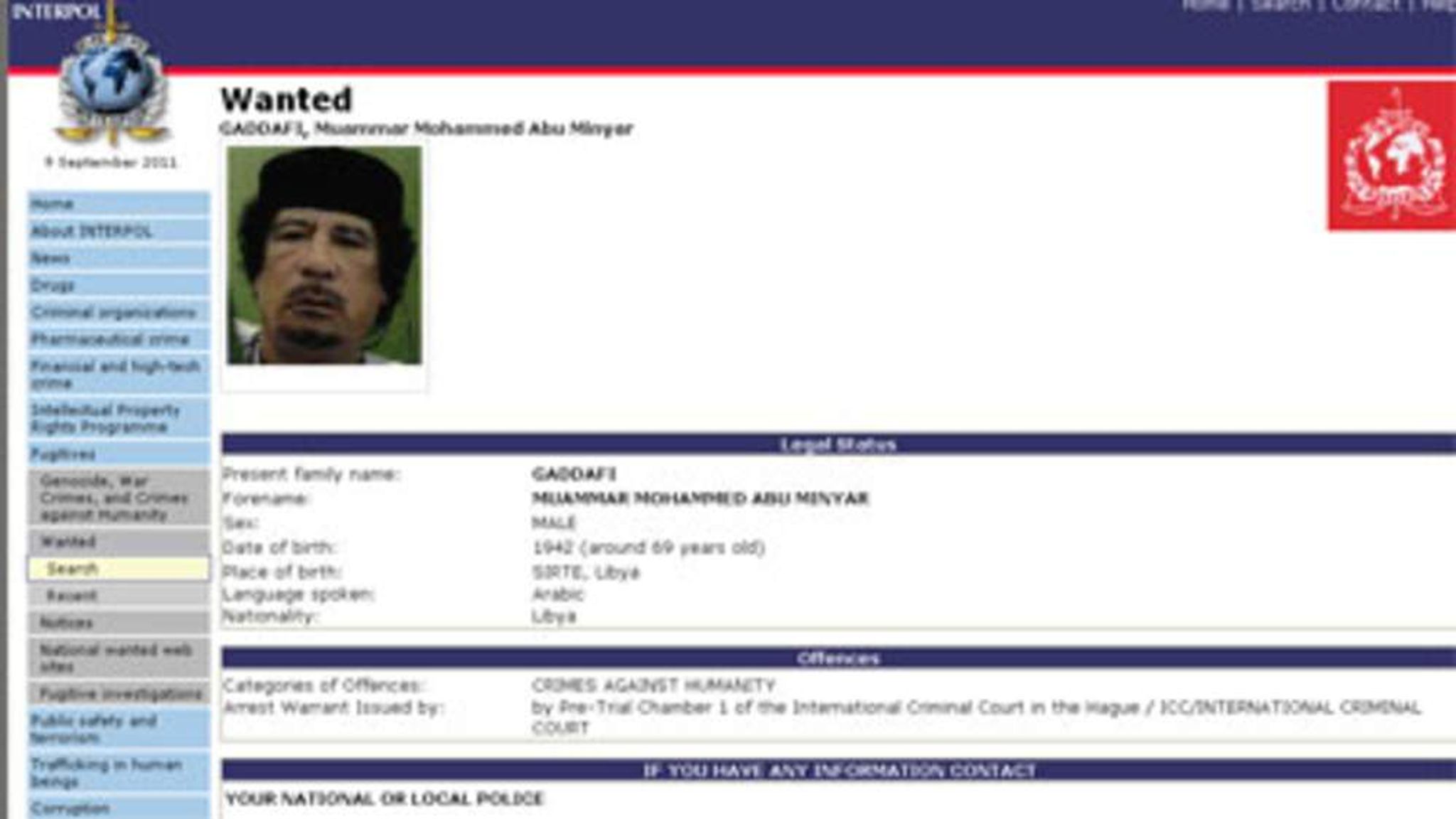
Understanding Interpol and the International Arrest Warrant System
Interpol plays a vital role in global law enforcement, facilitating cooperation among police forces across borders. This organization ensures that criminals can be apprehended regardless of their location. At the heart of Interpol’s efforts is the Interpol and international arrest warrant system, which serves as a significant tool for pursuing justice and ensuring that fugitives face legal consequences for their actions.
What is Interpol?
Interpol, short for the International Criminal Police Organization, is an intergovernmental organization that facilitates international police cooperation. Established in 1923, it provides a platform for law enforcement agencies from different countries to collaborate, share information, and coordinate operations against transnational crime.
With its General Secretariat based in Lyon, France, Interpol now has 195 member countries, making it one of the most extensive organizations in the world. Its primary mission is to combat serious crimes such as terrorism, drug trafficking, human trafficking, cybercrime, and organized crime.
The Role of Interpol
Interpol’s primary function is to enable member countries to communicate and collaborate efficiently. This is achieved through a range of services, including the maintenance of databases on criminals and criminal activities, secure communication networks, and the publication of notices to member countries.
The most well-known of these notices is the Red Notice, which serves as a request to locate and provisionally arrest an individual pending extradition. While it is not an international arrest warrant, it signals that the individual is wanted based on a valid national arrest warrant.
International Arrest Warrants: Definition and Function
An international arrest warrant is a legal instrument that allows law enforcement agencies in one country to request the arrest of a person in another country. This request is typically based on charges that the individual faces in their home nation, and it requires the cooperation of the relevant authorities in the country where the fugitive is located.
International arrest warrants are vital in ensuring that fugitives cannot evade justice simply by crossing borders. They act as a bridge between different legal systems, facilitating the extradition process. The effectiveness of international arrest warrants relies heavily on the existence of treaties and agreements between countries regarding extradition.
The Extradition Process
Once an international arrest warrant has been issued, the extradition process begins. This process varies by country, but generally involves several key steps:
- Issuance of the Warrant: A national law enforcement agency requests an international arrest warrant, often through Interpol.
- Notification: The warrant is circulated among Interpol member countries via a Red Notice, detailing the charges and the identity of the suspect.
- Detention: If the fugitive is located in a member country, local authorities may detain them based on the Red Notice.
- Legal Proceedings: The detained individual may contest the extradition, which will involve legal proceedings in the host country.
- Extradition Decision: If the authorities decide to extradite the individual, they are handed over to the requesting country.
This process is complex and can be influenced by various factors, such as human rights considerations, the nature of the crime, and the absence of an extradition treaty.
Key Legal Frameworks
The extradition process is governed by a variety of treaties and agreements, which can differ significantly from one country to another. Some important legal frameworks include:
- Extradition Treaties: These are formal agreements between two or more countries outlining the terms of extradition and the types of crimes eligible for extradition.
- European Arrest Warrant (EAW): This is a streamlined process for extraditing individuals between EU member states, facilitating quicker transfers without the need for lengthy legal processes.
- United Nations Conventions: Multiple international treaties exist to combat specific crimes, such as the UN Convention Against Corruption, which also include extradition provisions.
Challenges in the Extradition Process
Despite the frameworks in place, extradition processes are often fraught with challenges:
- Divergent Legal Standards: Different countries have varying definitions of crimes, and what may be considered a serious offense in one country may not be in another.
- Political Factors: Extradition requests can be influenced by political considerations, including diplomatic relationships between countries.
- Human Rights Concerns: Countries may refuse extradition if there is a risk that the individual may face the death penalty, torture, or unfair trials in the requesting country.
The Future of International Law Enforcement
As globalization continues to accelerate, international crime is becoming more complex, making the role of organizations like Interpol even more crucial. The ongoing development of technology has also changed how criminals operate, necessitating adaptations in law enforcement approaches.
To combat these emerging threats, Interpol is expanding its capabilities, enhancing its databases, modernizing its communication systems, and fostering collaboration with non-member countries and international organizations. The future will require a concerted effort to adapt legal frameworks to address the challenges posed by new forms of crime, while ensuring that human rights and due process are safeguarded.

Conclusion
Interpol and the international arrest warrant system represent critical components of contemporary law enforcement. They enable countries to cooperate in the fight against transnational crime and ensure that fugitives cannot find safe havens across borders. While challenges remain, ongoing efforts to improve legal frameworks and interagency collaboration hold promise for a more effective global response to crime, ultimately contributing to greater safety and justice worldwide.