/** * WP_oEmbed_Controller class, used to provide an oEmbed endpoint. * * @package WordPress * @subpackage Embeds * @since 4.4.0 */ /** * oEmbed API endpoint controller. * * Registers the REST API route and delivers the response data. * The output format (XML or JSON) is handled by the REST API. * * @since 4.4.0 */ #[AllowDynamicProperties] final class WP_oEmbed_Controller { /** * Register the oEmbed REST API route. * * @since 4.4.0 */ public function register_routes() { /** * Filters the maxwidth oEmbed parameter. * * @since 4.4.0 * * @param int $maxwidth Maximum allowed width. Default 600. */ $maxwidth = apply_filters( 'oembed_default_width', 600 ); register_rest_route( 'oembed/1.0', '/embed', array( array( 'methods' => WP_REST_Server::READABLE, 'callback' => array( $this, 'get_item' ), 'permission_callback' => '__return_true', 'args' => array( 'url' => array( 'description' => __( 'The URL of the resource for which to fetch oEmbed data.' ), 'required' => true, 'type' => 'string', 'format' => 'uri', ), 'format' => array( 'default' => 'json', 'sanitize_callback' => 'wp_oembed_ensure_format', ), 'maxwidth' => array( 'default' => $maxwidth, 'sanitize_callback' => 'absint', ), ), ), ) ); register_rest_route( 'oembed/1.0', '/proxy', array( array( 'methods' => WP_REST_Server::READABLE, 'callback' => array( $this, 'get_proxy_item' ), 'permission_callback' => array( $this, 'get_proxy_item_permissions_check' ), 'args' => array( 'url' => array( 'description' => __( 'The URL of the resource for which to fetch oEmbed data.' ), 'required' => true, 'type' => 'string', 'format' => 'uri', ), 'format' => array( 'description' => __( 'The oEmbed format to use.' ), 'type' => 'string', 'default' => 'json', 'enum' => array( 'json', 'xml', ), ), 'maxwidth' => array( 'description' => __( 'The maximum width of the embed frame in pixels.' ), 'type' => 'integer', 'default' => $maxwidth, 'sanitize_callback' => 'absint', ), 'maxheight' => array( 'description' => __( 'The maximum height of the embed frame in pixels.' ), 'type' => 'integer', 'sanitize_callback' => 'absint', ), 'discover' => array( 'description' => __( 'Whether to perform an oEmbed discovery request for unsanctioned providers.' ), 'type' => 'boolean', 'default' => true, ), ), ), ) ); } /** * Callback for the embed API endpoint. * * Returns the JSON object for the post. * * @since 4.4.0 * * @param WP_REST_Request $request Full data about the request. * @return array|WP_Error oEmbed response data or WP_Error on failure. */ public function get_item( $request ) { $post_id = url_to_postid( $request['url'] ); /** * Filters the determined post ID. * * @since 4.4.0 * * @param int $post_id The post ID. * @param string $url The requested URL. */ $post_id = apply_filters( 'oembed_request_post_id', $post_id, $request['url'] ); $data = get_oembed_response_data( $post_id, $request['maxwidth'] ); if ( ! $data ) { return new WP_Error( 'oembed_invalid_url', get_status_header_desc( 404 ), array( 'status' => 404 ) ); } return $data; } /** * Checks if current user can make a proxy oEmbed request. * * @since 4.8.0 * * @return true|WP_Error True if the request has read access, WP_Error object otherwise. */ public function get_proxy_item_permissions_check() { if ( ! current_user_can( 'edit_posts' ) ) { return new WP_Error( 'rest_forbidden', __( 'Sorry, you are not allowed to make proxied oEmbed requests.' ), array( 'status' => rest_authorization_required_code() ) ); } return true; } /** * Callback for the proxy API endpoint. * * Returns the JSON object for the proxied item. * * @since 4.8.0 * * @see WP_oEmbed::get_html() * @global WP_Embed $wp_embed WordPress Embed object. * @global WP_Scripts $wp_scripts * * @param WP_REST_Request $request Full data about the request. * @return object|WP_Error oEmbed response data or WP_Error on failure. */ public function get_proxy_item( $request ) { global $wp_embed, $wp_scripts; $args = $request->get_params(); // Serve oEmbed data from cache if set. unset( $args['_wpnonce'] ); $cache_key = 'oembed_' . md5( serialize( $args ) ); $data = get_transient( $cache_key ); if ( ! empty( $data ) ) { return $data; } $url = $request['url']; unset( $args['url'] ); // Copy maxwidth/maxheight to width/height since WP_oEmbed::fetch() uses these arg names. if ( isset( $args['maxwidth'] ) ) { $args['width'] = $args['maxwidth']; } if ( isset( $args['maxheight'] ) ) { $args['height'] = $args['maxheight']; } // Short-circuit process for URLs belonging to the current site. $data = get_oembed_response_data_for_url( $url, $args ); if ( $data ) { return $data; } $data = _wp_oembed_get_object()->get_data( $url, $args ); if ( false === $data ) { // Try using a classic embed, instead. /* @var WP_Embed $wp_embed */ $html = $wp_embed->get_embed_handler_html( $args, $url ); if ( $html ) { // Check if any scripts were enqueued by the shortcode, and include them in the response. $enqueued_scripts = array(); foreach ( $wp_scripts->queue as $script ) { $enqueued_scripts[] = $wp_scripts->registered[ $script ]->src; } return (object) array( 'provider_name' => __( 'Embed Handler' ), 'html' => $html, 'scripts' => $enqueued_scripts, ); } return new WP_Error( 'oembed_invalid_url', get_status_header_desc( 404 ), array( 'status' => 404 ) ); } /** This filter is documented in wp-includes/class-wp-oembed.php */ $data->html = apply_filters( 'oembed_result', _wp_oembed_get_object()->data2html( (object) $data, $url ), $url, $args ); /** * Filters the oEmbed TTL value (time to live). * * Similar to the {@see 'oembed_ttl'} filter, but for the REST API * oEmbed proxy endpoint. * * @since 4.8.0 * * @param int $time Time to live (in seconds). * @param string $url The attempted embed URL. * @param array $args An array of embed request arguments. */ $ttl = apply_filters( 'rest_oembed_ttl', DAY_IN_SECONDS, $url, $args ); set_transient( $cache_key, $data, $ttl ); return $data; } } Exploring Non UK Licensed Online Casinos A Comprehensive Guide – tejas-apartment.teson.xyz

Exploring Non UK Licensed Online Casinos A Comprehensive Guide

Exploring Non UK Licensed Online Casinos: A Comprehensive Guide

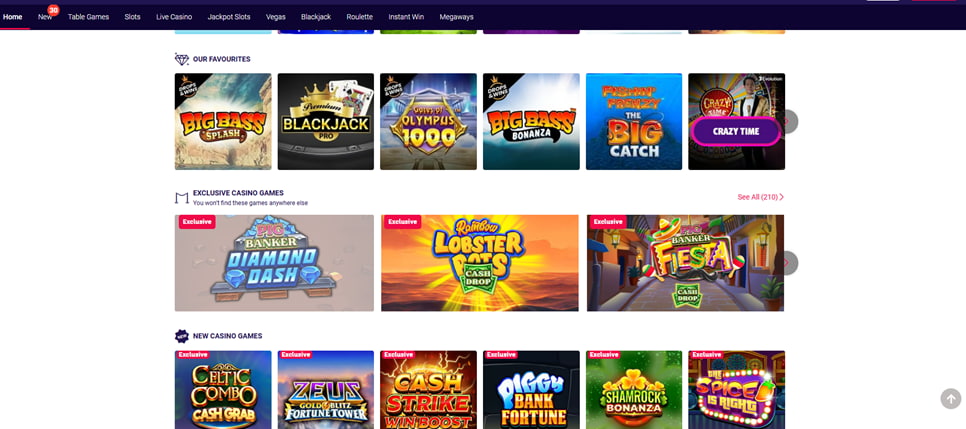
The online gambling industry has witnessed immense growth in recent years, leading to the emergence of numerous online casinos around the world. Among these, non UK licensed online casinos non UK based online casino are particularly noteworthy. These casinos offer various advantages and challenges compared to their UK-licensed counterparts. In this article, we will explore what non UK licensed online casinos are, the potential benefits they provide, and the associated risks that players should be aware of.

What Are Non UK Licensed Online Casinos?

Non UK licensed online casinos are gambling platforms that do not hold a license from the UK Gambling Commission (UKGC). Instead, they are typically licensed by other jurisdictions, such as Malta, Curacao, or Gibraltar. Each licensing body has its own regulations and standards, which can affect how these casinos operate, the games they offer, and the level of player protection available.

Benefits of Non UK Licensed Online Casinos

One of the primary attractions of non UK licensed online casinos is the variety of options they provide. Here are some notable benefits:

1. A Wider Selection of Games

Non UK licensed casinos often have fewer restrictions on the types of games they can offer. This can lead to a broader selection that includes innovative and niche games from various software providers, catering to diverse player preferences.

2. More Flexible Bonuses and Promotions

Many non UK licensed casinos provide lucrative bonuses and promotions without the stringent regulations that UK casinos must adhere to. These can include higher deposit bonuses, free spins, and loyalty programs that appeal to players looking for added value.

3. Enhanced Privacy and Anonymity

Some players prefer non UK licensed casinos for their ability to offer enhanced privacy. Depending on the jurisdiction, these casinos may not require the same level of personal information, allowing players to maintain anonymity while gambling online.

Common Jurisdictions for Non UK Licensed Online Casinos

Several jurisdictions are known for licensing online casinos. Each comes with its own set of regulations:

1. Malta

The Malta Gaming Authority (MGA) is one of the most respected regulatory bodies in the online gaming industry. Casinos licensed here must comply with strict regulatory guidelines, offering players a relatively high level of protection.

2. Curacao

Curacao is a popular licensing choice for many online casinos due to its low operational costs and relatively lax regulations. While this can lead to fewer protections for players, many reputable casinos operate under a Curacao license.

3. Gibraltar

The Gibraltar Regulatory Authority (GRA) oversees gambling in Gibraltar and is known for enforcing responsible gambling practices, making it a respected option for licensing online casinos.

Risks Associated with Non UK Licensed Online Casinos

While there are several benefits to playing at non UK licensed online casinos, it’s essential for players to recognize the potential risks:

1. Lack of Player Protection

UK licensed casinos benefit from strong regulations and consumer protections. Non UK licensed casinos may not offer the same level of security or recourse if disputes arise between players and the casino.

2. Potential for Unfair Practices

Some non UK licensed casinos have been known to engage in unfair practices, such as withholding winnings or using misleading terms in their promotions. This underscores the importance of thorough research before choosing a casino.

3. Payment Processing Issues

Depositing and withdrawing funds can sometimes be more complicated with non UK licensed casinos. Players may encounter delays or higher fees, especially when using bank transfers or credit cards.

How to Choose a Non UK Licensed Online Casino

If you’re considering playing at a non UK licensed casino, here are some tips to ensure a safe and enjoyable experience:

1. Research the Casino’s Reputation

Before signing up, check reviews and ratings from other players. Websites dedicated to casino reviews can provide insights into the reputation and reliability of a particular casino.

2. Verify Licensing Information

Ensure the casino is licensed and regulated by a reputable authority. You can usually find this information in the casino’s footer or about section.

3. Read the Terms and Conditions

Pay careful attention to the terms and conditions, especially regarding bonuses, withdrawals, and dispute resolution. Understanding these details can help you avoid potential issues later on.

4. Test Customer Support

A good casino should offer responsive customer support. Test their support channels by asking questions or raising concerns before you commit to playing.

Conclusion

Non UK licensed online casinos can provide an exciting alternative to UK-licensed platforms, offering benefits like a wider variety of games and potentially more attractive promotions. However, players should remain vigilant about the associated risks, including varying degrees of player protection and potential payment processing challenges. By conducting thorough research and choosing reputable casinos, players can enjoy a rewarding and enjoyable gaming experience.